
Being self-employed and working from home is a different situation than being a remote employee, even though the wardrobe questions look identical from the outside. An employee working remotely still has a company culture somewhere in the background — a dress code that technically still exists, coworkers who might notice, an employer who’s implicitly still involved in the decision. Running your own business from home removes all of that. Nobody’s tracking what you wear. Nobody’s noticing if you wear the same three things every day for a month. That’s either freeing or a little disorienting, depending on how much structure you personally need to feel like you’re “at work.”
The Decision-Fatigue Argument, For Real
Running a business from home already involves more small decisions per day than a typical job — pricing, scheduling, client emails, admin, and a dozen other things nobody else is deciding for you. Adding “what do I wear” as a daily decision on top of that is a genuinely avoidable cost. The fix that actually works isn’t a rigid uniform, it’s picking two or three go-to pieces — a top that works on camera, pants that don’t — and defaulting to them without relitigating the choice every morning. This isn’t about giving up on appearance, it’s about not spending decision-making energy on something that has zero bearing on whether the business succeeds that day.
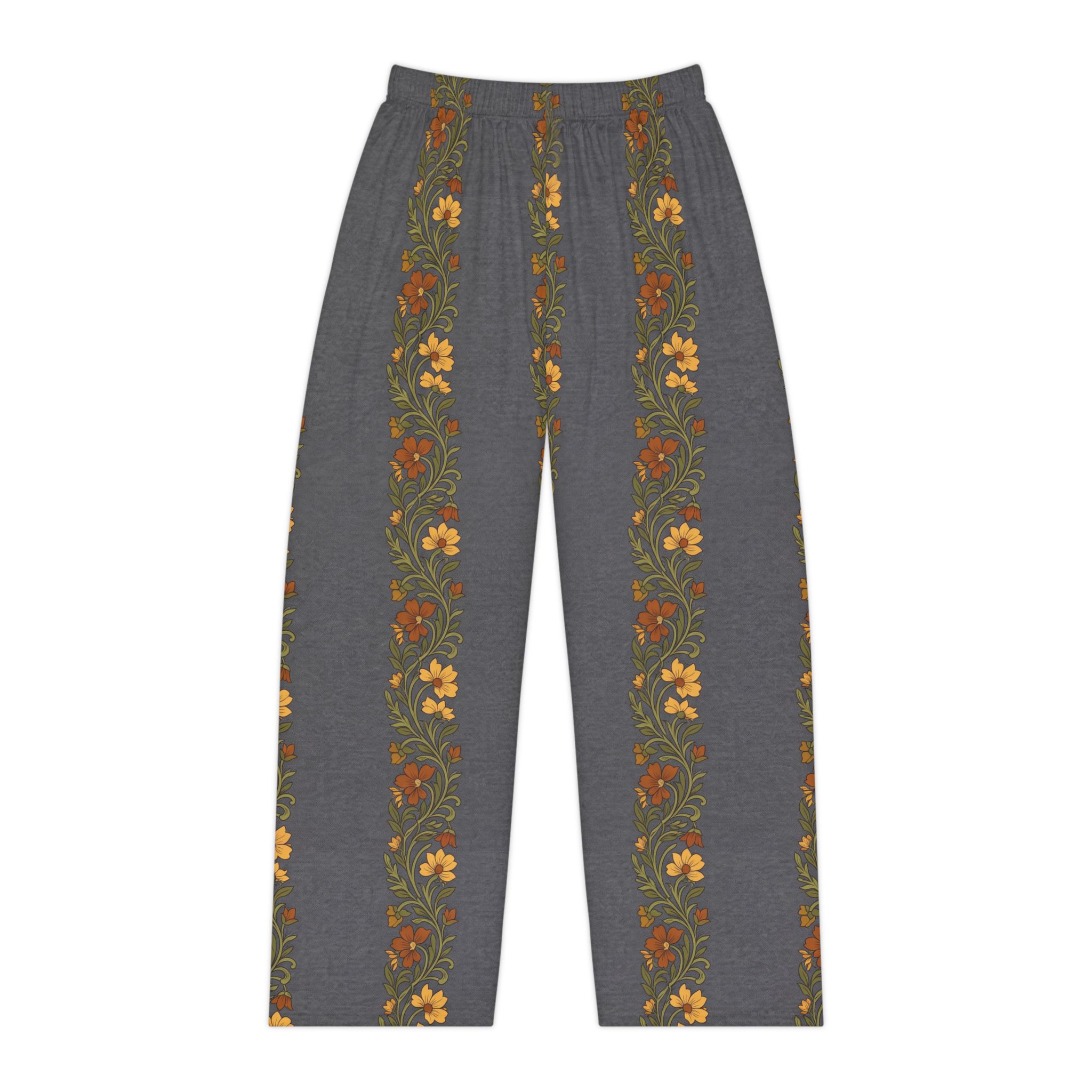
The Client-Call Exception
The one place self-employed and remote-employee needs genuinely converge is a client-facing call, where you’re representing the business, not just yourself. That’s the specific moment worth having one camera-appropriate top on hand for, even if everything else in the closet has drifted fully into loungewear — a satin top with a real collar or clean neckline covers this without requiring an entirely separate “work wardrobe” for the rare calls that need it.
No Commute Means No Forced Transition
A commute, even a bad one, used to do one useful thing: it created a hard boundary between “not working” and “working,” reinforced by a physical change of clothes. Without it, a lot of self-employed people report the workday bleeding into all hours because there was never a clear on/off switch. Clothing can partly rebuild that switch artificially — a specific robe or top you put on at the actual start of work and take off at the actual end, treated as a genuine ritual rather than a coincidence, gives the day a shape it otherwise won’t have on its own.
What Actually Changes Versus a Traditional Office
It’s worth being specific about what’s actually different, since “self-employed from home” gets treated as one category when the wardrobe-relevant differences are narrower than they seem. The parts that genuinely change: no coworkers to run into in a hallway, no dress code policy even a lax one, no employer optics to manage. The parts that don’t change much: client-facing calls still exist for most self-employed people, and the psychological benefit of not looking like you just woke up doesn’t disappear just because nobody’s grading it. The wardrobe question isn’t really “does anyone care,” it’s “does it change how the day feels to you,” which is a different and more personal calculation.
The Isolation Factor
Self-employed people working alone from home report a specific kind of isolation that remote employees with regular team calls don’t experience quite as sharply — entire days can pass without another adult conversation. Some people find that a small, consistent personal routine, including what they wear, helps mark the day as having actually happened and having actual structure, in the absence of the external structure a workplace would otherwise provide. This isn’t true for everyone, but it’s worth testing for a couple of weeks before dismissing it, since the cost of trying is close to zero.
A Weekly Rhythm Instead of a Daily Decision
Rather than deciding each morning, some self-employed home workers do better assigning a loose rhythm to the week — the same robe-and-loungewear combination on heads-down admin days, a specific camera-ready top reserved for the days client calls tend to cluster. This isn’t about rigid rules, it’s about removing a small decision from days that already have enough of them, which is the same logic that makes uniforms appealing to people in completely unrelated high-decision jobs.
When Ignoring All of This Is the Right Call
None of this is universal advice, and it’s worth saying plainly: some self-employed people genuinely function better in real, structured work clothes even with nobody around to see them, because the clothing itself is doing psychological work that has nothing to do with comfort. If getting fully dressed every morning, alone, in an empty house, is what actually makes a workday feel real, that’s not a habit worth abandoning just because loungewear is more comfortable in the abstract. Comfort-first clothing is the better default for most people in most situations, not a rule that overrides what’s individually working. The point of any of this is finding what actually reduces friction for a specific person’s specific days, not adopting a uniform because it sounds efficient on paper.
When Client Meetings Happen In Person
Plenty of self-employed people work from home most of the time but still meet clients in person occasionally — a consultant visiting a client’s office, a contractor doing an in-home estimate, a service provider meeting somewhere neutral. That mix changes the calculation slightly from someone who’s exclusively remote: it’s worth keeping one genuinely presentable, real outfit ready to go for those in-person moments specifically, separate from the loungewear rotation that covers the rest of the week. The mistake to avoid is letting the comfort-first daily default quietly become the only option in the closet, so that an unplanned in-person meeting turns into a scramble. One outfit kept ready and untouched for that purpose is a small amount of overhead for avoiding that specific problem.
Checking Whether It’s Actually Helping
Since none of this is backed by strict rules, it’s worth actually checking in on whether a routine is doing anything after a few weeks rather than just assuming it is. A simple way to tell: notice whether workdays feel more defined and less likely to blur into the evening since adopting a small clothing routine, or whether nothing’s really changed either way. If nothing’s changed, that’s useful information too — it means the friction wasn’t really about clothing in the first place, and the actual fix for feeling unstructured probably lies somewhere else, like a fixed start and end time or a dedicated workspace, rather than what’s being worn during the hours in between.
Starting Small
None of this needs to be adopted all at once. A reasonable way to test any of it is picking one piece — a robe for mornings, a rotation of two loungewear pants, one reliable camera top — and giving it a couple of weeks before deciding whether it’s worth building out further. Small, low-cost experiments like this tend to reveal more about what actually helps a specific person’s workday than reading a full routine and trying to adopt it wholesale on day one.
Comparing Notes With Other Self-Employed People
Talking to other people running businesses from home tends to reveal how differently this actually plays out from person to person — some swear by getting fully dressed daily no matter what, others haven’t worn anything but loungewear in years and don’t miss it. Neither group is wrong, and hearing both is a useful reminder that this is one of the more personal, least standardized parts of self-employment, with far more variation in what works than most advice on the topic tends to admit.
Frequently Asked Questions
Does what I wear actually affect productivity when self-employed?
There’s a real, if modest, effect sometimes called ‘enclothed cognition’ — what you wear can shift how you feel and behave, separate from how it looks. The practical version for a home office isn’t about formality, it’s about having a consistent, deliberate choice rather than defaulting to whatever’s nearest the bed.
How do I handle a surprise client video call if I’m not dressed for it?
Keeping one genuinely camera-appropriate top within reach — not buried in a drawer — solves most surprise-call situations in under a minute, without needing to change out of comfortable pants at all, since only the top half is ever visible.
Is it worth setting a dress code for myself as a self-employed person?
A loose one is worth more than either extreme — a strict daily dress code recreates an office you don’t have, while zero structure at all tends to blur the line between working and not working. A small, repeatable routine (same robe to start the day, same rotation of two or three outfits) covers most of the benefit without the overhead of a real dress code.
Building the actual rotation: loungewear pants and a robe for mornings. Back to the full guide.